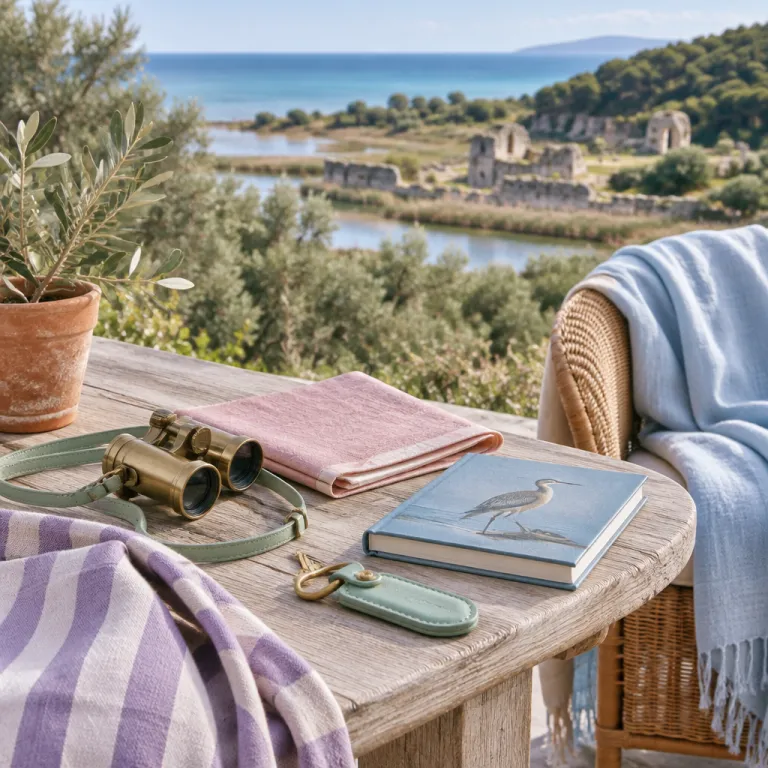
Why Butrint National Park in Albania belongs on a luxury travel itinerary
Butrint National Park in Albania is one of the Mediterranean’s most atmospheric archaeological landscapes. This national park combines a lagoon, dense woodland, and an ancient city where Greek, Roman, Byzantine, and Venetian layers create a rare cultural heritage tapestry. For travelers booking premium hotels along the Riviera, visiting Butrint offers a refined balance between coastal leisure and a world class heritage site.
The core of Butrint Albania is the ancient city that once controlled the Vivari Channel between the Ionian Sea and Lake Butrint. Within this compact area, you move from an ancient theatre to a Roman forum, then on to a medieval fortress, all while hearing water lapping against the shore. Because the archaeological site is so well preserved, luxury travelers can comfortably plan a half day or full day visit without sacrificing pool time or spa appointments back at their hotel.
UNESCO World Heritage status, granted in 1992 and extended in 1999, has elevated Butrint’s international recognition, yet the park remains surprisingly serene outside peak hours. The national park authority manages visitor flows, opening hours, and conservation work so that the site retains its sense of quiet grandeur. For guests staying in Sarandë or Ksamil, the short transfer by car or bus means you can enjoy a great time at the ruins and still return to a sunset dinner overlooking the water.
Choosing a luxury base near Butrint: Ksamil, the inland villages, and the Riviera
Most travelers combine visiting Butrint with a stay in Ksamil, where upscale seaside properties offer direct access to turquoise water and soft sand. From these hotels, the drive to the park Butrint entrance takes around 15 minutes, so you can reach the archaeological site early and enjoy the ancient area before the day heats up. For curated options, many guests use a dedicated luxury platform and select Ksamil hotel stays for refined coastal escapes in Albania as their Riviera base.
Travelers who prefer quieter surroundings often choose stone built villages set a short distance inland from the coast. These settlements sit above the Vivari Channel and Lake Butrint, offering sweeping views across the national park and the wider Sarandë Butrint area. Carefully restored mansions in these villages provide spacious suites, shaded courtyards, and easy access to both the heritage site and the Riviera beaches.
Some guests split their time between Ksamil and the so called inland twins, using routes highlighted in guides such as the Riviera’s inland twins stone villages a ridge back from the beach. This approach lets you enjoy the lively seaside atmosphere one night and a tranquil hilltop retreat the next, all within a short drive of Butrint national park. Whichever city or village you choose, ensure your hotel concierge can arrange private transfers, licensed guides, and timed entries that match the official opening hours of the site.
Historic depth at Butrint: from ancient theatre to Lion Gate and Great Basilica
Walking through Butrint feels like moving through a condensed history of the Mediterranean world. The ancient theatre sits at the heart of the city, where stone seats curve around a stage that once hosted performances for local elites and visiting dignitaries. Today, the Roman theatre remains well preserved, and many visitors consider it the most atmospheric corner of the archaeological site.
From the theatre, paths lead toward the Lion Gate, where a carved lion attacking a bull has become one of the park’s most photographed details. This gate once formed part of the city’s defensive walls, and it now offers a striking transition from the inner urban area to the outer paths along the water. Nearby, the Great Basilica showcases early Christian architecture, with column bases and mosaic floors that underline the site’s role as a major religious center.
Luxury travelers often arrange a private guide who can explain how Butrint Albania shifted from a Greek colony to a Roman city and later a Byzantine stronghold. One long standing guide described the experience as “walking a single path that crosses twenty centuries in half an hour,” a line many guests remember long after they leave. If you are staying in Gjirokastër, you can easily add a day trip to Butrint using curated itineraries such as Gjirokastër city stays with luxury hotels amid stone history and sky, combining two UNESCO heritage destinations in one journey.
Practical planning: transfers, opening hours, and timing your visit
Reaching Butrint national park from Sarandë is straightforward, whether you rely on a private driver or the local bus. The Sarandë Butrint bus follows the coastal road, passing Ksamil and Lake Butrint before stopping near the main gate of the site. Many premium hotels in the city of Sarandë can arrange chauffeured transfers that align with the official opening hours, allowing you to arrive before larger groups.
Because the area can become warm in high season, many travelers plan visiting Butrint either early in the morning or later in the afternoon. This timing not only offers softer light for photography at the ancient theatre and Lion Gate but also makes walking between the different parts of the archaeological site more comfortable. Check the latest opening hours and current ticket prices with your hotel concierge, a licensed tour operator, or the national park information office, as schedules and fees can vary between seasons.
Some guests like to prepare by downloading a pdf map of the park Butrint layout, which helps them prioritize the Great Basilica, the Roman theatre, and the Venetian fortress. Others prefer to rely entirely on a licensed guide, freeing their time to focus on the atmosphere rather than navigation. Either way, allow at least three hours inside the heritage site, especially if you plan to linger by the water near the Vivari Channel or pause for views across Lake Butrint.
Water, landscape, and Ali Pasha’s fortress around Lake Butrint
Beyond the city walls, Butrint national park unfolds as a mosaic of wetlands, woodland, and open water. The Vivari Channel links Lake Butrint to the Ionian Sea, creating a dynamic environment where tides and freshwater flows shape the landscape. From certain viewpoints, you can see the archaeological site framed by reeds, with the lake and surrounding hills completing the scene.
Many visitors extend their time in the area by taking a short boat trip along the channel toward the small fortress associated with Ali Pasha of Tepelena. This stronghold, set near the mouth of the Vivari Channel, illustrates how control of water routes once meant control of trade and power in southern Albania. For luxury travelers, a private boat charter offers a relaxed way to appreciate both the natural and cultural heritage of the national park in a single outing.
Wildlife enthusiasts value Lake Butrint as an important habitat for migratory birds and aquatic species, recognized internationally under the Ramsar Convention as a wetland of global importance. The combination of an ancient city, a well preserved wetland, and a scenic channel makes this area unique among Mediterranean heritage site destinations. When planning your stay in Albania Butrint region, consider hotels that can arrange guided nature walks or gentle kayaking experiences on the lake, complementing your time among the ruins.
Aligning luxury hotel choices with culture focused itineraries
Choosing the right hotel near Butrint national park Albania can transform a simple visit into a deeply rewarding cultural journey. Properties in Sarandë, Ksamil, and the inland villages increasingly design packages that combine spa treatments, fine dining, and curated excursions to the archaeological site. When evaluating options, look for concierges who understand both the national park logistics and the nuances of UNESCO heritage travel.
Many premium hotels now provide digital welcome packs, often in pdf format, outlining suggested routes for visiting Butrint and nearby attractions. These documents typically highlight the ancient theatre, the Great Basilica, the Lion Gate, and the Ali Pasha fortress, while also noting the best time of day for each area. Some even include guidance on combining a Sarandë Butrint excursion with wine tasting or slow food experiences in surrounding villages.
For travelers who value privacy and flexibility, villas and high end suites with private pools near the park Butrint corridor can be ideal. These stays allow you to return from the heritage site, cool off in your own water, and then head into the city for dinner at your preferred pace. By aligning your accommodation choice with your interest in cultural heritage, you ensure that every element of your Albania Butrint itinerary feels coherent and thoughtfully planned.
Key figures and travel statistics for Butrint National Park in Albania
- Butrint National Park covers roughly 94 square kilometres, combining terrestrial and aquatic zones, according to official Albanian protected area data published by the National Agency of Protected Areas.
- The archaeological site of Butrint contains remains spanning over two millennia of occupation, from Hellenistic foundations to late medieval structures, as documented in excavation reports by the Butrint Foundation and collaborating researchers.
- Visitor numbers to Butrint have grown steadily over the past decade, with pre pandemic counts reported by Albanian tourism authorities at over 200,000 annual entries, reflecting the park’s rising profile among international cultural travelers.
- Lake Butrint and the surrounding wetlands are recognized as a Ramsar wetland of international importance, highlighting the ecological value that complements the UNESCO cultural designation for the wider Butrint area.
- The Sarandë Butrint road distance is approximately 18 kilometres, which typically translates to a 30 to 40 minute transfer by car or bus depending on seasonal traffic and short stops in Ksamil.
FAQ about luxury stays and visits to Butrint National Park Albania
How long should I plan for a visit to Butrint National Park Albania ?
Most travelers should allocate at least three to four hours inside the archaeological site and surrounding park. This allows time to see the ancient theatre, the Great Basilica, the Lion Gate, and the Venetian fortress without rushing. If you add a boat trip on the Vivari Channel or a visit to Ali Pasha’s fortress, plan for a full day.
Where is the best place to stay for visiting Butrint in comfort ?
For easy access, many guests choose luxury hotels in Ksamil or Sarandë, both within a short drive of the national park. Travelers seeking quieter evenings often prefer inland stone villages overlooking Lake Butrint and the wider Sarandë Butrint area. Your choice depends on whether you prioritize beach life, historic ambiance, or a blend of both.
Can I visit Butrint National Park Albania by public bus from Sarandë ?
Yes, a regular Sarandë Butrint bus service runs along the coast, stopping in Ksamil before reaching the park entrance. The journey usually takes around 30 to 40 minutes, depending on traffic and season. Many luxury hotels still recommend private transfers for greater flexibility with opening hours and comfort.
Is Butrint suitable for travelers interested in both culture and nature ?
Butrint national park offers a rare combination of a well preserved ancient city and a rich wetland ecosystem. Visitors can explore the archaeological site in the morning, then enjoy views of Lake Butrint and the Vivari Channel in the afternoon. This blend makes it ideal for travelers who value both cultural heritage and natural scenery.
What should I wear and bring for a comfortable visit to Butrint ?
Comfortable walking shoes, light clothing, and a hat are essential, as paths around the site can be uneven and the area can become warm. Bring water, sunscreen, and a small bag for personal items, especially if you plan to stay through the middle of the day. Many visitors also carry a pdf map or guide on their phone to help navigate between key monuments.