Reading the ridge: why the Albanian Riviera lives inland
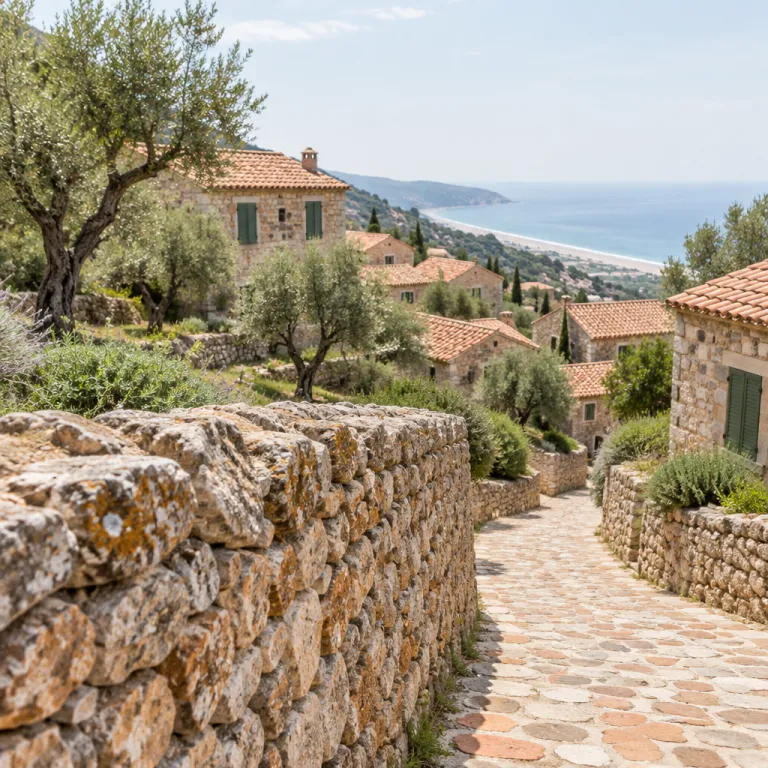
On the Albanian Riviera, the story of the coast begins uphill. A ridge above the Ionian coast holds the original stone village clusters, where Qeparo, Vuno and their neighbours watched the sea without living on the beach. This pattern of an upper village and a lower village shapes how you should plan a luxury stay in Albania, especially if you care more about history and texture than about crowded beaches.
Inland Qeparo sits on a shoulder of the Riviera, its stone lanes facing the Ionian Sea yet protected from pirates and storms that once ruled the coast. The old stone village above the modern beach strip shows how Albanian families built inwards, leaving the flat coast for fields, olive groves and seasonal huts. When you walk between the upper village and the lower beach area, you feel the distance between centuries of history and the recent rush to build along the sea.
This geography matters for travellers choosing where to sleep along the Albanian Riviera. A hotel in the upper village of Qeparo or nearby Borsh trades immediate beach access for quiet nights, panoramic views and the slow rhythm of local life. Down on the coast, the Riviera’s newer hotels line the beaches, but the real charm stone of this region still lies in the terraces, the olive trees and the small squares where elders sit above the Ionian coast.
Autumn light and lived-in quiet in Qeparo and its neighbours
By late season, the Albanian Riviera exhales and the rhythm changes. The beach bars in Qeparo and Borsh turn down their music, while the upper stone village streets fill again with local voices and the smell of woodsmoke. For a solo traveller, this is when Albania’s coast feels most honest, with families returning from seasonal work and reopening rooms that feel like real homes rather than summer rentals.
Olive harvest shapes these months, especially around the terraces above the Ionian Sea. You walk past olive groves where small groups work quietly, and the views over the Riviera beaches feel softer in the lower sun. Staying in an inland guesthouse at this time means waking to the sound of tractors rather than traffic, and tasting new oil poured over bread or over a clay pot of tave kosi in a family kitchen.
Luxury here is not about a pool on the beach but about time and space. A restored stone village house in Qeparo’s upper quarter or above Borsh gives you panoramic views and a sense of Albania that the lower coast hotels cannot match. If you want a more structured itinerary that links city and countryside, look at refined stays in Tirana and the countryside described in this guide to hotel Albania refined stays in Tirana and the countryside, then pair the capital with a few quiet nights on the Riviera ridge.
Walking the old paths: from ridge villages to the Ionian coast
The most rewarding way to understand the Albanian Riviera stone villages inland from Qeparo is on foot. Old mule tracks still link each village to the next, and from the upper village you can follow paths down to the beach or across to neighbouring settlements. These routes were once the only way to move olives, salt and stories between the coast and the interior of Albania.
A classic day for a solo traveller starts in the stone village above Qeparo, where you climb through small alleys to a ruined church with wide views of the Ionian Sea. From there, a contour path leads towards Borsh, crossing olive groves and giving you panoramic views of the Riviera beaches far below. The descent to the coast is steady rather than steep, but you still feel the separation between the quiet ridge and the busier beach road.
For those who prefer structure, arranging a private tour with a local guide can add context to the landscape. Guides based around the Albanian Riviera often combine walking between villages with tastings of olive oil and plates of tave kosi in family homes. If you are building a longer slow travel route through Albania, you can even pair these coastal walks with a refined farm stay such as the one described in the review of a refined farm stay experience in the Albanian countryside, then return to the Ionian coast for sea air and stone lanes.
Where to stay: ridge houses, guest rooms and the pull of the beach
Choosing between the ridge and the shore is the central decision when booking a luxury stay around Qeparo. On the Albanian Riviera, the upper stone village offers character, while the lower beach strip offers convenience and the sound of the sea at night. For a solo explorer, the inland option usually delivers more meaningful encounters with local families and a deeper sense of place.
In the upper village, many traditional houses have been restored with care, keeping thick stone walls and timber ceilings while adding modern bathrooms and quiet air conditioning. Rooms here tend to be small but atmospheric, with windows framing panoramic views of the Ionian Sea, the olive groves and the curve of the coast towards Saranda. You trade instant access to the beaches for evenings in courtyards where neighbours talk across low walls and the history of Albania feels close.
Down by the beach, hotels and guesthouses on the Albanian Riviera focus on sea access, parking and proximity to tavernas. These properties suit travellers who want to swim at sunrise, then drive inland for a private tour of the stone village before returning to the coast for grilled fish and tave kosi. If you crave a more urban layer to your trip, you can balance this rural quiet with a stay near Tirana’s gallery season and its autumn art calendar, using this guide to where to stay for the capital’s autumn art calendar as a reference.
Architecture, abandonment and the future of the Albanian Riviera ridge
Walking through inland Qeparo or the other stone villages of the Albanian Riviera, you read Albania’s recent history in every doorway. Many houses stand roofless, their stone walls open to the Ionian coast winds, while others glow with new plaster and careful restoration. Emigration pulled families away, and tourism is now pulling some of them back, creating a visible tension between abandonment and renewal.
The architecture of each stone village reflects a need for defence and community rather than for beach views. Houses cluster tightly along the ridge, with small windows facing the Ionian Sea and larger openings towards inner courtyards where families once pressed olives and stored grain. As more travellers choose the ridge over the beach, these courtyards are slowly turning into guest terraces, where the old charm stone details become part of the hospitality story.
For luxury travellers, the top things to understand here are context and impact. Staying in a restored house in Qeparo or above Borsh supports local owners who are investing in the future of the Albanian Riviera, but it also changes the rhythm of the village. When you book, ask how many months the family lives there, how they manage water and waste, and whether your private tour or tasting helps maintain the olive groves that frame those panoramic views of the Ionian Sea.
FAQ
Why do the traditional villages of the Albanian Riviera sit inland from the beach ?
Historic settlements such as Qeparo’s upper village were built on ridges above the Ionian coast for defence and safety. Inland locations offered protection from pirate raids, better control of movement along the Riviera and more secure access to water and farmland. The modern beach strips grew later, once security improved and tourism began to value direct access to the sea.
Is it better to stay in the upper stone village or near the beach in Qeparo ?
Staying in the upper stone village gives you quiet, panoramic views and closer contact with local families. A beach stay offers easier swimming, more dining options and less walking or driving up and down the hill. Many travellers choose a mix, spending a few nights inland for atmosphere and a few nights on the coast for Ionian Sea access.
How easy is it to walk between the ridge villages and the beaches ?
Old paths still link the upper villages of the Albanian Riviera with the beaches below, especially around Qeparo and Borsh. The walks are usually moderate rather than technical, but they can be steep and rocky in places, so good shoes and water are essential. In warmer months, many travellers prefer to walk down to the sea early, then return by taxi or shared car later in the day.
What are the top things to do for a solo traveller in inland Qeparo ?
A solo traveller can spend days exploring stone lanes, churches and viewpoints in the upper village, then walking through olive groves down to the beach. Booking a private tour with a local guide adds context about history, architecture and the changing life of the Albanian Riviera. Evenings are best spent in small tavernas, tasting dishes such as tave kosi and talking with residents about their connection to the coast.
Are there luxury level stays in the stone villages above the Albanian Riviera ?
The ridge above the Ionian coast offers a growing number of carefully restored houses and guest rooms that meet premium expectations. While you will not always find large pools or formal service, you will find thick stone walls, thoughtful design and views that rival any beach resort. For many travellers, this combination of comfort, history and quiet is the real luxury of inland Qeparo and its neighbouring villages.
Suggested sources for further reading : Bank of Albania tourism reports, Albanian National Tourism Agency publications, and regional planning documents from the Municipality of Himarë.