Why gjirokaster in Albania is the stone city for refined stays
Gjirokastër in Albania is a rare stone city where every steep lane feels curated for thoughtful travelers. This hilltop town balances quiet elegance with deep Albanian history, making it ideal for guests who want luxury hotels within walking distance of a medieval castle. When you plan a trip here, you quickly find that the city Gjirokastër offers both refined comfort and authentic character in equal measure, especially for travelers who enjoy slow evenings and carefully restored architecture.
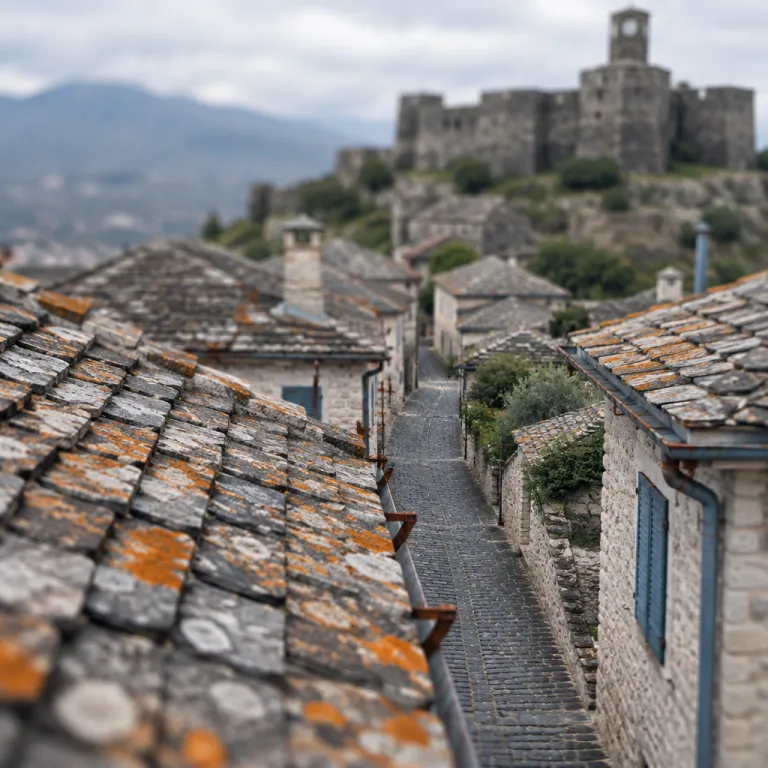
The historic centre of Gjirokastër Albania is compact, so a premium hotel in the old town places you close to the Ottoman era bazaar, the fortress, and several museum houses. Many of the best properties occupy restored stone mansions, where each traditional Albanian house has been converted into spacious suites with valley views and shaded terraces. From these rooms you see why the nickname stone city is accurate, as slate roofs cascade down the hillside toward the Drino valley and frame the castle above in layered bands of grey and green.
Travelers choosing Albania Gjirokastër for a first visit often compare it with Berat or the coastal city of Sarandë for their day trip plans. Gjirokastër stands apart because the town combines a dramatic castle, Cold War relics, and literary heritage linked to Ismail Kadare in one walkable city. One hotel owner described watching the lights come on along the bazaar at dusk as “like seeing the pages of Kadare’s novels turn to life,” a small moment that captures how staying overnight lets you enjoy the best things in softer evening light when the bazaar is quieter and the stone streets cool after the heat of the day.
Staying near gjirokaster castle and the Ottoman bazaar
Choosing a hotel near Gjirokastër castle gives you early access to the ramparts before day trip groups arrive. From many luxury rooms in the upper town you can walk to the fortress in under fifteen minutes, which is ideal if you want to photograph the city Gjirokastër at sunrise or in the first clear light after a summer storm. This area also keeps you close to the Ottoman bazaar, where traditional Albanian cafés and artisan shops line cobbled streets scented with coffee, grilled meat, and freshly baked byrek.
The castle itself is more than a viewpoint, because inside you find a military museum, artillery displays, and the atmospheric war tunnel built during the Cold War. Many visitors list these as the best things to see in Gjirokastër Albania, especially when combined with the ethnographic museum housed in a traditional stone residence on the slope below. Staying nearby means you can spread these visits across the day, returning to your hotel between sights instead of rushing through all the things Gjirokastër offers in one block of time, which makes the experience feel more like a retreat than a checklist.
For travelers designing a wider Albania road trip, it is common to pair Gjirokastër with Berat, and this detailed guide to walking Berat in a single afternoon helps you compare both historic towns. In Gjirokastër, the best hotels around the bazaar often feature stone arches, carved wooden ceilings, and terraces where you can plan the next day trip over local wine. From these terraces you watch the town shift from daytime market energy to a calmer evening rhythm, with the sound of church bells and the call to prayer echoing across the valley and up toward the fortress walls.
Historic houses, literary echoes, and where to sleep in style
Some of the most memorable things Gjirokastër offers are its grand Ottoman era houses, which now function as museums and inspiration for refined interior design in nearby hotels. The Skënduli house and the Zekate house are prime examples, with multiple floors, stone defended façades, and intricately painted ceilings that show how wealthy Albanian families lived in the nineteenth century. When you visit Gjirokastër, you see how these museum houses influence the aesthetics of premium suites across the town, from alcove seating to decorative fireplaces and wooden ceilings.
The ethnographic museum, located on the site of the birthplace of Enver Hoxha, presents traditional clothing, household objects, and room layouts that many hoteliers reinterpret with contemporary comfort. Nearby, the childhood home of Ismail Kadare, now a museum, adds a literary layer to the city Gjirokastër, which appeals to travelers who like to connect reading with place. One local guide described the town as “a novel written in stone,” and staying in a hotel that references these spaces through textiles, carved wood, and stone details turns your trip into a continuous dialogue with local history and everyday life.
Guests who want curated options can use this specialist guide to luxury hotels amid stone history and sky to compare properties by view, service, and proximity to the old town. Many of the best rooms are within a short walk of both Skënduli house and Zekate house, which makes it easy to visit these museums early in the day before groups arrive. This proximity also means you can return at different times to notice how light changes the stone textures and painted interiors, revealing new colours and details with each visit.
From the blue eye to Ali Pasha: planning refined day trips
Gjirokastër works beautifully as a base for day trips, especially if you want to balance city exploration with nature and regional history. One of the best things to add to your itinerary is a visit to the Blue Eye, a deep karst spring with striking turquoise water about 35 kilometres from the town by the main road. Many luxury hotels can arrange private transfers or guided excursions, which saves time and lets you enjoy the landscape between Albania Gjirokastër and the coast without worrying about parking or road conditions.
Another rewarding excursion is to the Ali Pasha bridge, an elegant stone arch hidden in the hills that once formed part of an Ottoman era aqueduct system. Combining the Pasha bridge with a stop at nearby villages turns a simple day trip into a fuller road trip style loop, where you see rural Albanian life alongside the stone city skyline. Guests often comment that these quieter things Gjirokastër offers beyond the main castle help them feel the region rather than only the city, especially when they pause for coffee in village squares or short walks along old mule paths.
If you are planning a longer road trip along the south, consider pairing your stay in Gjirokastër with nights on the Ionian coast, using this curated guide to where to stay on the Albanian Riviera in top rated hotels. Returning to the town after coastal days gives a welcome change of pace, with cooler evenings and quieter streets around the bazaar. This rhythm between sea and stone city makes your overall trip through Albania more layered and satisfying, especially if you enjoy alternating beach time with museum visits and castle walks.
Cold War tunnels, war history, and how long to stay
Beneath Gjirokastër castle lies a network of Cold War era tunnels that once formed a secret command centre, now partially open as a war tunnel to visitors. Walking these concrete corridors, you see another side of Albania Gjirokastër, far removed from the romantic stone houses above. Many travelers rate this as one of the best things to do in the city, especially if they are interested in twentieth century history and the legacy of the communist period.
The military museum inside the fortress, together with the war tunnel and the ethnographic museum, gives a compact overview of Albanian history from the Ottoman period through the rule of Enver Hoxha. To appreciate these layers without rushing, plan at least one full day and one night in the town, with a second day trip if you want to include the Blue Eye or Ali Pasha bridge. This amount of time allows you to visit Gjirokastër at a measured pace, with space for café stops and unplanned walks through the bazaar, rather than compressing everything into a single hurried visit.
For travelers on a tight schedule, a single day trip from the coast or from Ioannina in Greece is possible, but you will only see a fraction of what the stone city offers. Staying overnight in a central hotel means you can enjoy the castle at golden hour and the town after day visitors leave. That quiet evening atmosphere is often when guests say they feel the true character of Gjirokastër Albania, with lanterns glowing under stone arches and conversations drifting from small restaurants.
Choosing the best luxury hotel for your gjirokaster stay
Selecting the best hotel in Gjirokastër depends on how you like to balance comfort, views, and proximity to key sights. Properties in the upper town near the castle usually offer the most dramatic panoramas over the city Gjirokastër and the Drino valley, while hotels closer to the bazaar provide easier access to restaurants, cafés, and evening walks, which some guests prefer for a first trip focused on dining and atmosphere.
When comparing options, look for rooms in restored stone houses that retain traditional Albanian architectural details while offering modern amenities such as climate control, high quality bedding, and reliable Wi Fi. Many of the best things about staying in these properties are the small touches, like homemade breakfasts featuring local products and staff who can suggest lesser known things Gjirokastër offers at different times of day. If you are planning a wider road trip, check whether parking is available on site or nearby, because streets in the old town are narrow and often steep and may be challenging for larger vehicles.
For travelers who value privacy and quiet, suites on upper floors or in separate annexes of a historic house often provide the most restful experience. Guests who enjoy social spaces might prefer hotels with terraces overlooking the stone city, where you can share a drink while planning the next visit to Gjirokastër castle or the Blue Eye. Whatever you choose, align your hotel location with the specific museums, houses, and day trips that matter most to you, so your time in Albania Gjirokastër feels both efficient and indulgent from arrival to departure.
Key figures for planning a refined stay in gjirokaster
- Gjirokastër sits at roughly 300 to 350 metres above sea level, which makes summer evenings cooler than on the Albanian Riviera and more comfortable for walking the steep streets.
- The Blue Eye spring lies about 35 kilometres from Gjirokastër by road, so most private excursions from the town take around half a day including stops and photo breaks.
- Driving time between Gjirokastër and the coastal city of Sarandë is usually 60 to 70 minutes, depending on traffic and road conditions, which makes a combined city and sea itinerary practical for a short trip.
- Walking from the lower bazaar to Gjirokastër castle typically takes 15 to 20 minutes uphill, so guests who prefer shorter climbs may want hotels located higher in the town.
- Most major museum houses in the stone city, including Skënduli house and Zekate house, can be visited comfortably within one to two hours each, allowing you to see several in a single day without feeling rushed.
FAQ about luxury and premium stays in gjirokaster
How many days should I spend in Gjirokastër for a luxury focused trip ?
For a luxury oriented stay, plan at least two nights in the town so you can explore Gjirokastër castle, the main museum houses, and the bazaar without rushing. This length also allows time for a half day trip to the Blue Eye or Ali Pasha bridge. Travelers on extended road trips through Albania often add a third night to enjoy slower mornings and more relaxed evenings with terrace breakfasts and unhurried walks.
Is it better to stay near the castle or near the bazaar ?
Staying near the castle gives you dramatic views and quick access to the fortress and war tunnel, which suits guests who prioritise scenery and history. Hotels near the bazaar place you closer to restaurants, cafés, and shops, which many visitors prefer for evening walks and dining. Both areas are within a compact part of the city Gjirokastër, so you can easily walk between them if you are comfortable with hills and cobbled streets.
Can Gjirokastër be visited as a day trip from the coast ?
Yes, Gjirokastër can be visited as a day trip from Sarandë or the Albanian Riviera, with driving times usually around one hour each way. However, a same day return limits how many things Gjirokastër you can experience, especially the quieter evening atmosphere. Staying overnight in a premium hotel lets you enjoy the stone city after day visitors leave and makes your trip feel more balanced, particularly if you value slow dinners and night views from the castle.
Are luxury hotels in Gjirokastër suitable for families ?
Many high end properties in Gjirokastër occupy large historic houses, so they often offer spacious family rooms or interconnected suites. The town itself is compact, which helps families manage walking distances between the hotel, castle, and museums. When booking, check for amenities such as on site parking, flexible breakfast times, and the possibility of arranging private transfers for day trips so children can rest between excursions.
How does Gjirokastër compare with Berat for a historic stay ?
Both Gjirokastër and Berat are UNESCO listed towns with strong Ottoman era architecture, but Gjirokastër feels more vertical and fortress focused, while Berat is known for its riverside hillside houses. Travelers who enjoy dramatic mountain views and Cold War history often prefer the stone city of Gjirokastër. Those who like riverside walks and different museum layouts may choose to split their time between the two towns during a longer trip through Albania, using each as a base for nearby villages and countryside.
References
- UNESCO World Heritage Centre – Gjirokastër historic centres and criteria for inscription.
- Albanian National Tourism Agency – official visitor information for Gjirokastër and southern Albania.
- Institute of Statistics of Albania (INSTAT) – tourism arrivals and regional travel data for Gjirokastër district.