Why a night in Berat changes how you travel Albania
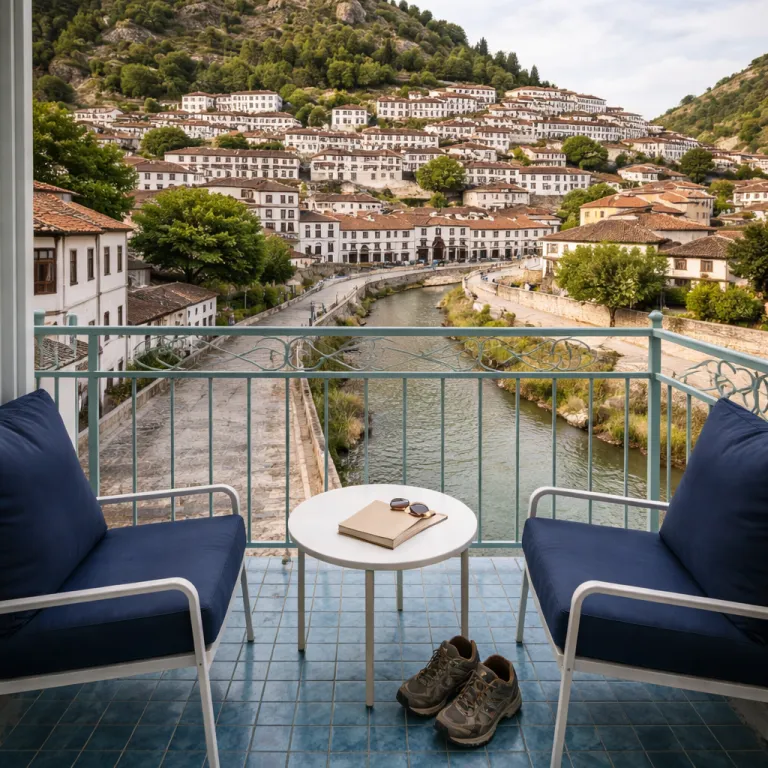
Most travelers treat Berat as a quick day trip from Tirana. When you travel Albania with a little more patience, staying overnight in this city reshapes how you read the whole country. The best way to feel its rhythm is to arrive by mid afternoon, check into your chosen luxury hotel, and step straight into the light.
From Tirana the bus ride takes around two and a half hours. That journey is a first lesson in Albania travel, because you will find the countryside unfolding from industrial edges into olive groves and river valleys. Solo female guests and other independent travelers usually report feeling safe on this route, especially during the day when public transportation is busiest and families fill the seats.
Berat sits in central Albania, a city of stacked white houses pressed against a hill. It is a UNESCO World Heritage destination, and one of the best things about a stay here is how quickly you move from hotel terrace to Ottoman stone lanes. Many visitors try to visit Albania in a rush, but the best time to see Berat is late afternoon when the Osum river softens and the windows of Mangalem start to glow.
For travelers planning a wider trip across countries in Europe, Berat anchors a thoughtful itinerary. You might travel from Lake Ohrid on the border with North Macedonia, cross the highlands, then end your trip Albania journey on the Albanian Riviera. In that arc you will find the contrast between mountain stone, coastal light and the measured pace of this inland city, which rewards at least two full days Albania wide.
The walking route that actually explains Berat
Start your walk on the Gorica side of the river, where the city feels residential. Cross the graceful Gorica bridge and you will find the classic postcard view of Mangalem, its windows layered like scales across the hillside. This is the moment when many travelers finally understand why this country is often called the city of a thousand windows.
From the bridge, drift into the lower bazaar streets rather than rushing straight uphill. Here you travel Albania on foot through small workshops, family cafés and mid range guesthouses that sit behind carved wooden doors. Skip the obvious lunch trap on the main corner and instead look for the place where the grandmother is rolling byrek by hand, because that is where the food will taste like an Albanian home.
Continue upwards toward the castle gate, letting the streets narrow and the stones underfoot become older. This is where a local guide can be helpful, especially if you want context on Ottoman household layouts and the way Albanian families once shared courtyards. For solo female travelers, this climb in late afternoon is usually comfortable, with other visitors around and plenty of doorways where you will find someone ready to offer water or raki.
Once inside the fortress walls, remember that this is not a museum but a living neighborhood. An estimated 30 families still live within the Kala, hanging laundry between medieval walls and tending small gardens above the city. From here you can see how Berat connects to the wider trip Albania circuit, with roads leading toward Vlora, the Albanian Riviera and eventually Saranda on the southern coast.
When you plan your luxury stay, consider how this walk fits around check in and dinner. The best time to start is around two hours before sunset, which gives you space for pauses and photographs. If you are continuing to the coast, properties in Vlora offer an elegant bridge between Berat’s stone and the sea, and you can research refined options through a detailed guide to luxury hotels in Vlora by the Albanian Riviera on myalbaniastay.com.
Reading the windows, stones and households of an Albanian city
Berat’s architecture is not just pretty; it is a code that explains Albanian society. Look closely at the stacked windows in Mangalem and Gorica, and you will find that their number and grouping once signaled the size and status of the household. Larger families and wealthier merchants could afford more glass, so the façade became a quiet ledger of Ottoman era economics.
As you travel Albania with this lens, other cities start to speak in similar ways. In Tirana, for example, the contrast between Communist era blocks and new glass towers tells a story about the country’s recent ambitions and its appetite for change. A carefully chosen hotel in the capital lets you watch this shift from above, and you can deepen that experience by reading an insider perspective on why Tirana’s fine dining still feels honest on myalbaniastay.com.
Back in Berat, notice how the stone walls thicken as you climb toward the castle. These layers were built to protect the city from invasion, but they also created cool interiors where food could be stored and families could gather during the hottest time of day. When you visit Albania with an eye for such details, even a simple doorway or stairwell becomes one of the best things you will remember from the trip.
Inside the Kala, ask your guide to point out how houses are oriented toward light and privacy. You will find that many windows face inward to courtyards rather than out to the street, a pattern repeated across Albania travel routes from Gjirokastër to smaller towns. For solo female and other independent travelers, understanding this domestic logic makes the city feel less like a stage set and more like a lived in country that you are briefly joining.
When you return to your hotel after the walk, the view from your room will feel different. You will see not just a picturesque city, but a map of families, trades and centuries of adaptation to this steep site. That is the quiet luxury of taking your time, rather than compressing Berat into a rushed day trip between Tirana and the coast.
Onufri’s icons, faith and the quiet rooms of the castle
One of the most rewarding stops inside the fortress is the Onufri National Iconographic Museum. Housed in the former Cathedral of the Dormition of Saint Mary, it holds the largest collection of post Byzantine icons in Albania, and these works are essential for understanding how faith evolved in this country. Unlike earlier Byzantine pieces, Onufri’s icons introduce warmer colors and more individualized faces, hinting at a shift toward a more personal devotional experience.
When you travel Albania with an interest in culture and heritage, this museum becomes a key reference point. It shows how Orthodox Christianity, Islam and Catholicism have coexisted in close proximity, shaping the way Albanians think about tolerance and identity. That layered religious history is one reason many solo female travelers and other visitors describe Albania as welcoming, because the culture has long practiced living with difference.
Take your time in the museum’s quieter rooms, where smaller icons and liturgical objects are displayed. You will find inscriptions that link Berat to other centers of learning across the Balkans, including what is now North Macedonia and the region around Lake Ohrid. These connections remind you that your trip Albania is part of a wider story of movement, trade and shared artistic languages across countries in Europe.
Outside, step into the small courtyard and listen for the everyday sounds of the inhabited castle. Children play between stone walls while elders sit on low chairs, and the call of a vendor selling seasonal food drifts up from the city below. This mix of sacred art and ordinary life is one of the best things about visiting Berat, because it keeps the past from feeling sealed behind glass.
For travelers who plan their days Albania wide with precision, allow at least an hour for Onufri, more if you like to read labels and trace stylistic details. A guide is valuable here, especially one recommended by your hotel or a trusted local tour operator, because they can connect the icons to specific churches you might visit later in Tirana or along the Albanian Riviera. As the Albanian Government notes in its tourism guidance, “Is Albania safe for tourists? Yes, with standard precautions.”
Raki, byrek and timing your luxury stay in the Albanian countryside
Every serious attempt to travel Albania must include time at the table. In Berat, that means knowing where to stop for byrek, where to pause for raki, and where to politely walk past the laminated menu that looks designed for passing bus tours. The best time for a proper sit down meal is after your castle walk, when the city has cooled and your appetite has caught up with the hills.
On the way down from the Kala, take the back path that drops you into the quieter upper streets of Mangalem. Here you will find small family run places where the menu changes by day, depending on what arrived from nearby farms and what the cook feels like preparing. Ask for seasonal Albanian dishes such as stuffed peppers, slow cooked lamb or village salad, and let the house recommend a local white wine or a measured glass of raki.
Cross back to Gorica for sunset, when the light hits the windows of Mangalem and the whole city seems to float. This is a gentle moment for solo female travelers and other guests to sit alone with a book or a notebook, because the atmosphere is social but unhurried. Many mid range and luxury properties on this side of the river offer terraces where you will find both privacy and a front row seat to the changing light.
For those planning a longer trip Albania itinerary, Berat pairs well with coastal days on the Albanian Riviera and a final night in Tirana. You might spend three or four days Albania wide, moving from the capital to Berat, then down to Vlora or Saranda, where curated collections of refined coastal hotels are mapped out on myalbaniastay.com’s guide to Albanian Riviera hotels for a refined coastal escape. From there, a day trip to the Blue Eye spring or a nearby national park adds a different texture to your travel.
Throughout the country, public transportation remains the backbone of movement, with bus routes linking Tirana, Berat, Vlora and Saranda at regular intervals. Carry some cash, because card acceptance can be limited in smaller places, and use registered taxis when you need to bridge gaps between bus stops and your hotel. With these simple travel tips, you will find that to visit Albania as a luxury inclined but independent traveler is less about polished infrastructure and more about the rare combination of raw landscapes, generous hospitality and a pace that still leaves room to breathe.
FAQ
Is Albania safe for solo female travelers staying in Berat and the countryside ?
Albania is generally considered safe for visitors, including solo female travelers, especially in cities like Tirana and Berat where tourism is established. Standard precautions apply, such as avoiding poorly lit areas late at night and using registered taxis or reputable hotel transfers. Many female travelers report feeling comfortable using public transportation by day and appreciate the protective attitude of local communities.
What is the best time of year to plan a trip Albania itinerary including Berat ?
The best time to travel Albania with a focus on Berat and the countryside is spring and early autumn, when temperatures are mild and the light is clear. Summer can be very hot in the city, though evenings remain pleasant and work well if you plan walks for late afternoon. Winter is quieter and atmospheric, but some smaller hotels and rural restaurants may operate on reduced schedules.
How many days Albania wide should I allocate for Tirana, Berat and the Albanian Riviera ?
For a balanced itinerary, plan at least five to seven days Albania wide, with one or two nights in Tirana, two nights in Berat and the remaining time on the Albanian Riviera or in Saranda. This pacing allows you to avoid rushed day trips and to enjoy each hotel stay fully, from breakfast views to unhurried dinners. Travelers with more time can add Lake Ohrid or a national park near North Macedonia for extra variety.
Do I need a visa and what currency will I use when I visit Albania ?
Visa requirements depend on your nationality, and many visitors from Europe and other regions can enter Albania visa free for short stays, so you should always check current rules with official consular sources before you travel. The local currency is the Albanian lek, and you will find that cash is still widely used, especially in smaller towns and for bus tickets. Carrying some euros can be useful, but everyday food, taxis and tips are usually paid in lek.
What is the best way to reach Berat from Tirana and the coast ?
The most common way to reach Berat is by bus from Tirana, with journeys typically taking around two and a half hours and departing from the main regional bus area. From the Albanian Riviera or Saranda, you can travel by bus or private transfer via Vlora, which makes a convenient coastal stop with a range of mid range and luxury hotels. Self drive trips are possible, but road conditions and signage can vary, so many visitors prefer to combine public transportation with occasional private transfers arranged through their hotel.