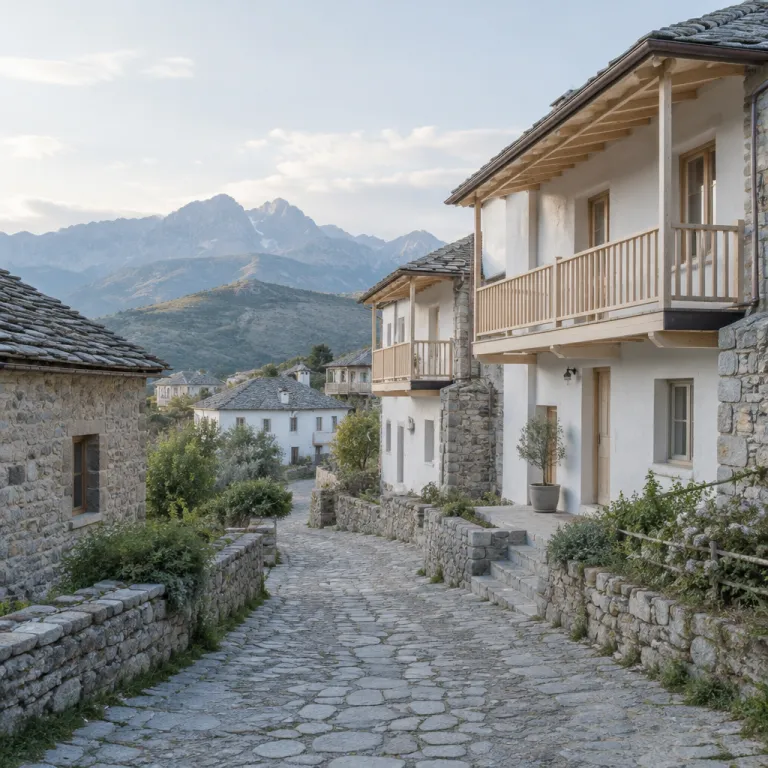
How community guesthouses in Albania keep your booking local
In the Albanian countryside, community guesthouses turn a simple stay into a shared experience. These guest houses are run by village homeowners who open their doors so that tourism income stays in the local community and supports real Albania family life. For premium families used to polished city hotels, this model offers a distinctive way to engage with local culture while still expecting comfort and warm hospitality.
Community guesthouses in Albania are often organised under the Albergo Diffuso concept, where several homes in one village operate together like a dispersed hotel. The official definition is clear and worth quoting in full: “What is Albergo Diffuso? A hospitality model using multiple homes in a village as hotel-type lodging”. In Theth, for example, Shpella Guesthouse hosts families in traditional stone houses, while in Valbona, Guesthouse Kol Gjoni is part of a loose network of family-run stays. When you book these guest houses in Albania, your payment supports conservation efforts, local activities and the preservation of cultural heritage rather than a distant owner.
True community guest houses are more than a marketing label, and you can usually feel the difference within minutes. Hosts talk about their rich history, explain village traditions and invite you into daily activities such as walking to the fields, cooking or tending gardens, which deepens the experience for every family member. One host in Valbona summed it up simply: “If guests eat our food and walk our paths, they become part of the valley for a few days.” When a stay is genuinely community run, decisions about tourism are made locally, and responsible tourism becomes a shared project that protects natural beauty and local culture year round.
What “community run” really means for premium family travelers
In this part of Albania, community run means that village homeowners, not outside investors, shape how tourism develops. Programmes such as RisiAlbania and the Alberghi Diffusi Association have helped formalise this model so that guest houses remain eco-friendly, rooted in local culture and aligned with sustainable tourism goals. For a premium family, that translates into a richer experience where your booking supports real people and not just a brand.
Several villages have been assessed for the Albergo Diffuso approach, and legal recognition now gives these community projects more stability. The Ministry of Tourism and local municipalities provide grants and a framework, while residents coordinate everything from shared tours to home-cooked meals, which keeps the community at the centre of every decision. When you choose community guesthouses as part of an Albania rural tourism family itinerary, you help sustain this balance between comfort, cultural authenticity and responsible travel.
For families comparing luxury countryside stays, it helps to think of these villages as refined rural bases rather than classic resorts. You still sleep in proper rooms, but the real luxury lies in access to rich culture, small group adventures and genuine warm hospitality that money alone cannot buy. To understand how this fits into the wider high-end scene, look at refined countryside stays beyond the coast on this in depth guide to luxury countryside stays in Albania, then layer in community guest houses when you want your Albania travel budget to land directly in the village.
How family guesthouses work in practice: meals, rhythm and children
Staying in community guest houses in Albania feels different from a conventional hotel the moment you arrive. You are greeted by village homeowners rather than staff in uniforms, and the welcome often includes coffee, homemade raki or seasonal fruit for the whole family. Children quickly sense this warm hospitality and usually start exploring the courtyard or garden while adults settle in.
Meals are the heart of the experience, with shared tables that showcase local culture and rich history through recipes passed down for generations. Expect slow breakfasts with fresh bread, local honey and cheese, then dinners built around what the village has that day, which might include trout from clear waters or vegetables from nearby fields. Many families say this is the perfect setting for children to understand cultural heritage in a tangible way, because they see who grows the food and how it reaches the table.
Days tend to follow the rhythm of the village rather than a resort schedule, which suits Albania rural tourism family trips very well. You might join walking activities through orchards, short tours to neighbouring hamlets or small group adventures to a nearby national park, all arranged informally by your hosts. For a broader sense of how these rural stays connect mountains and sea, you can read about refined countryside itineraries on this guide to Albania countryside trips between mountains and coast, then adapt the route to include community run guest houses where your children can meet the place properly.
Where this model is strongest: Alps, valleys and agritourism corridors
The most established community guest houses in Albania cluster along rural tourism corridors that follow old trading and herding routes. In the north, the Albanian Alps and the Valbona Valley offer some of the most dramatic natural beauty in the country, with guest houses strung along trails that link villages and national park landscapes. These routes are ideal for Albania family itineraries that mix gentle walking with more demanding adventures for older children.
Valbona Valley in particular has become a reference point for community guesthouses in Albania for family planners, because many homes there operate as part of a loose Albergo Diffuso style network. You can arrange small group tours and Albania style hikes between villages, stopping at guest houses that serve home-cooked meals and share stories about local history and conservation efforts. The clear waters of mountain streams and the crystal clear air make this corridor feel far removed from any city, yet the hospitality remains polished enough for premium travelers who value comfort.
Further south, agritourism farms and stone-built villages near Gjirokastra, Korça and the lake regions host guest houses that blend farming activities with cultural experiences. Families can explore vineyards, join seasonal harvests or take short tours to sites of cultural heritage, then return to eco-friendly rooms that still feel authentically rural. These areas work well year round, though the best time for many families is late spring or early autumn when walking conditions are gentle and Albania travel routes are quieter but still easy to access.
Trade offs, booking tactics and making your money land locally
Choosing community guesthouses on Albania rural tourism family routes means accepting a few honest trade offs in exchange for depth. Facilities can be simpler than in a luxury resort, with occasional quirks such as narrow staircases, basic bathrooms or intermittent Wi-Fi, though rooms are usually clean and well kept. For many premium families, the payoff is a richer experience where children remember the people, not the pool.
Because many guest houses are still semi informal, booking often happens by phone, WhatsApp or small platforms rather than large global systems. The official guidance captures this reality clearly: “How to book these guesthouses? Via WhatsApp, phone or small platforms; many not fully online”. When you contact hosts directly, you can ask about activities, walking options, small group tours, Albania style excursions and whether your payment goes straight to the family or through an intermediary.
Paying in cash on arrival is still common in rural Albania, so plan withdrawals in the city before heading into the mountains or towards the Blue Eye springs and other remote clear waters. This direct approach keeps more of your budget inside the community, supports eco-friendly conservation efforts and reinforces responsible tourism that values both natural beauty and rich culture. If you want to balance village stays with time in Tirana’s cultural scene, consider pairing a community run itinerary with a night or two near the capital’s galleries using this guide to where to stay for Tirana’s art calendar, then return to the villages knowing exactly where your booking is landing.
FAQ
How can I be sure a guesthouse is genuinely community run ?
Ask who owns the property, who works there and how decisions about tourism are made in the village. In a genuine community run model, village homeowners host you, relatives or neighbours help with activities and meals, and income is shared locally rather than extracted by an outside company. You can also look for involvement in Albergo Diffuso style initiatives, which are designed to keep tourism benefits inside the community.
What level of comfort can a premium family expect in rural guest houses ?
Most community guest houses in Albania offer simple but comfortable rooms with private or shared bathrooms, hot water and hearty meals. You should not expect spa facilities or extensive room service, but you can reasonably expect cleanliness, warm hospitality and flexible meal times for children. The real luxury lies in access to local culture, rich history and small group adventures arranged directly by your hosts.
Is it safe to stay in remote villages with children ?
Rural villages in Albania that host community guest houses are generally calm, close knit places where everyone knows each other. Families often find that children are quickly adopted by the community, joining other kids in the courtyard or on short walking activities under many watchful eyes. As always, you should follow normal travel precautions, but the social fabric of these communities tends to feel very safe for Albania family trips.
When is the best time to visit community guesthouses in rural Albania ?
These guest houses operate year round, but the best time for many families is late spring and early autumn. Temperatures are comfortable for walking, national park trails are open, and clear waters in rivers or near the Blue Eye springs are inviting without the peak season crowds. Winter can be atmospheric in the mountains, though access may be more challenging and some activities are limited.
Do community guesthouses support eco friendly and responsible tourism ?
Yes, the whole model is designed to align tourism with conservation efforts, cultural heritage protection and local income generation. Many guest houses use local products, reduce waste and encourage guests to respect natural beauty, from crystal clear rivers to traditional architecture. By booking directly and choosing community guesthouses on Albania rural tourism family routes, you help strengthen responsible tourism that keeps both culture and landscapes alive.