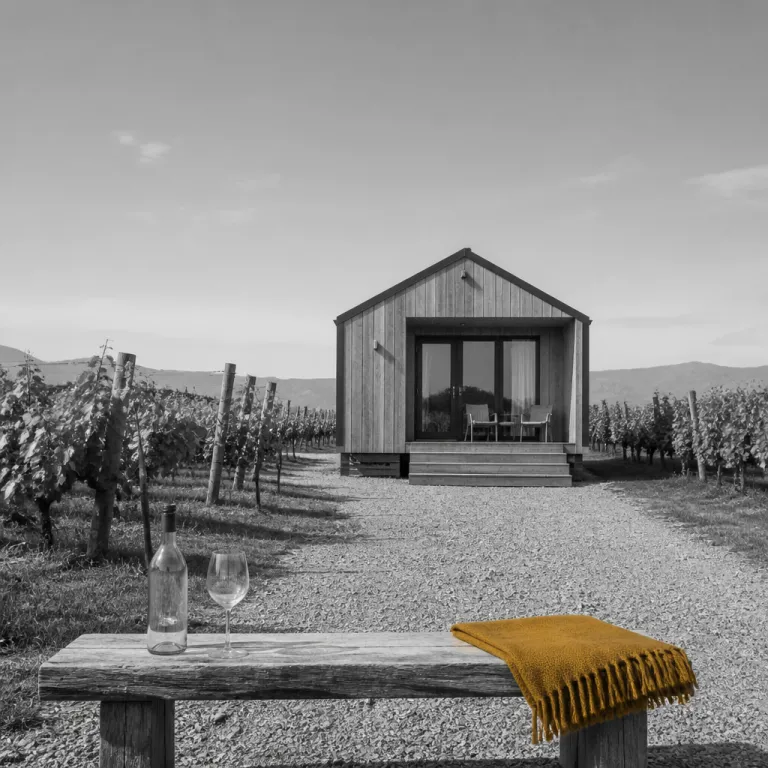
The Korce wine route Albania for families who like their vineyards quiet
The Korce wine route Albania is not a signposted circuit, but a loose constellation of vineyards spread across a high basin framed by mountains. This is where the continental climate of south eastern Albania gives grapes long, cool nights and a slow ripening season that suits structured reds and aromatic whites. Families who plan their day carefully will find an emerging wine scene that still feels personal, with the winemaker often pouring the glasses.
Think of the Korce basin as Albania's answer to more famous European wine regions, only without the buses and the choreographed tastings. The city of Korçë anchors the area, while the surrounding countryside stretches towards villages such as Drenovë, Voskopojë and the road towards Leskovik, each village adding a different layer to your trip. You move between them on a patchwork of country road segments, some newly paved, some still rough, so your itinerary needs realistic time buffers, especially if you travel with children.
Wine tourism infrastructure here is still minimal, which is precisely the appeal for many premium travelers. There are no hop on hop off buses, no industrial tasting rooms, and no pressure to rush through a flight of wines in twenty minutes. Instead, you call ahead, arrive by car or rental car, and settle into a slow afternoon where the children can run between rows while you talk about Kallmet, Shesh i Bardhë or the emerging Pulse grape with someone who actually pruned the vines.
From Korçë to the vineyards: how to structure a family friendly wine day
Most visitors start their Korce wine route Albania experience in the city of Korçë, which locals often call Korca in casual speech. The city centre mixes Austro Hungarian and French influenced façades with a lived in Albanian cafe culture that works well as a base for a multi day trip. You wake up in a polished hotel, walk to the cathedral and nearby orthodox church, then head out by car once the morning chill lifts.
Plan your first day as a loop that combines one or two vineyards with a cultural stop, so the children do not feel trapped in the car all day. The National Museum of Medieval Art in Korçë is the obvious anchor, a calm space where museum medieval icons glow in low light and give context to the orthodox church frescoes you will see in the countryside. A short walk away, the small archaeological museum traces the region from antiquity to the communist era, which helps older children understand why so many churches were closed or repurposed in that period.
Once you leave the city, the road towards Drenovë and the nearby national park climbs gently, with views over the Korçë plain and its patchwork of fields. This is not a fast highway but a true country road, where tractors, flocks and the occasional slow car Albania registered sedan set the pace. Families who prefer to avoid driving can arrange a driver through their hotel or a local car rental agency, a solution increasingly popular with American travelers who, as recent booking data on changing travel habits shows, are willing to trade independence for stress free logistics.
Driving the Korce basin: roads, rental cars and realistic itineraries
To experience the Korce wine route Albania properly, you either need your own car or a driver who knows every bend. Car rental options exist in Korçë itself, but many premium travelers prefer to arrange a rental car at Tirana Airport and then keep that car Albania wide for a longer road trip. The drive from Tirana to Korçë takes you over mountain passes and along the upper reaches of the Vjosa River, so it already feels like part of the adventure.
Road quality varies, and that matters when you plan a family friendly itinerary with vineyard stops, village churches and river picnics. Main arteries between the city and larger villages are paved, while smaller spurs to individual estates may still be gravel, which slows your day trip but also keeps traffic light. If you are nervous about driving, study satellite maps in advance, ask your hotel to call the winery about current conditions, and consider using a driver for the trickier segments while keeping the car rental for easier days.
Families who prefer not to drive at all can still enjoy the region by basing themselves in Korçë and using local drivers for each day trip, a strategy similar to the one outlined in this guide to staying in Albania without renting a car. This approach works especially well if you want to combine the Korce basin with a later stay on the Albanian Riviera, where coastal traffic and parking can be more stressful. Either way, build in generous time between tastings, because the pleasure here lies in unhurried conversations, not in ticking off as many wineries as possible.
Where to sleep between the rows: luxury stays in and around Korçë
Accommodation along the Korce wine route Albania falls into three broad categories, each suiting a different style of premium family travel. In the city of Korçë, you will find polished hotels with spacious suites, reliable heating and cooling, and easy access to the cathedral, the main square and the evening promenade. These properties work well if you want a refined stay with concierge style support, then day trip out to the vineyards and nearby village churches.
Beyond the city, agritourism estates and small guesthouses bring you closer to the vines and the rhythm of rural Albania. Some family run farms now offer a handful of rooms overlooking the rows, where you wake to the sound of tractors rather than traffic and children can walk safely between the vines under supervision. Standards vary, so a specialist platform such as My Albania Stay helps you filter for properties with consistent hot water, proper bedding and outdoor space that genuinely suits younger guests.
For travelers who like altitude with their wine, the hills towards Dardhë and the road that eventually links towards Leskovik and Përmet offer mountain lodges with strong character. These properties pair well with a wider itinerary that includes the Vjosa River valley, the thermal springs near Përmet and the famed Blue Eye of southern Albania, all reachable on a longer road trip. If this mix of vineyards and mountain views appeals, study this guide to mountain lodges where the view earns the altitude and then adapt the ideas to the Korçë basin, where snow dusted peaks frame your glass of Kallmet at sunset.
Beyond the glass: food, family activities and side trips from Korçë
Wine may be the headline, but the Korce wine route Albania only makes sense when paired with the region's food and landscape. In Korçë itself, look for tavernas that grill lamb slowly over embers, serve lake fish from nearby waters and bring plates of seasonal vegetables that match the freshness of Shesh i Bardhë whites. Outside the city, village guesthouses often cook what they grow, so a simple day trip can turn into a long lunch under vines while children play near the river or in the orchard.
Families who like to balance tastings with movement have several easy options within a short drive. The national park above Drenovë offers forest walks and viewpoints over the Korçë plain, while country road detours towards the village of Voskopojë reveal stone churches with fading frescoes that echo the icons you saw earlier in the National Museum of Medieval Art. Further afield, a longer loop towards Përmet and Leskovik connects the Korce basin with the Vjosa River valley, where rafting, hot springs and the route towards the southern Blue Eye create a multi day itinerary that still feels coherent.
On the way back towards Tirana Airport or the Albanian Riviera, you can stop at Lin on the shores of Lake Ohrid, a small village where an early Christian church and mosaics sit above the water. This makes a gentle final pause before you rejoin the main road and the faster rhythm of the coast. If you time your day permet style excursion carefully, you can fit in one last vineyard visit near Korçë in the morning, a lakeside lunch in Lin at midday and still reach the capital before dark.
How Korçë compares to established wine routes and what to expect
Travelers who know Croatia's island of Korčula will notice some parallels with the Korce wine route Albania, even if the grapes and landscapes differ. On Korčula, a growing number of wineries such as Bire Winery, Zure Winery and Cebalo Winery have built a reputation around rare white varieties like Grk and Pošip, with guided tours, self guided visits and vineyard stays now common. The island's experience shows how a region with a long but quiet winemaking history can, over time, integrate traditional methods with modern tourism without losing its soul.
Korçë stands at a much earlier stage of that curve, which is why expectations matter. You will not find fifty wineries lined up along a single road, nor a half million litres of annual production focused on export ready labels, but you will find families experimenting with Kallmet, Shesh i Bardhë and Pulse in small cellars that still smell of must. The context is similar to Korčula, where wine tourism grew as visitors learned that "Growing interest in Grk wine." and "Increase in wine tourism." went hand in hand with an "Expansion of vineyard accommodations.".
For premium travelers, this means trading polished infrastructure for access and authenticity. Tastings are often informal, sometimes held at a table under a tree, with the winemaker explaining how the communist era almost erased private vineyards and how the current revival feels both fragile and exciting. If you are willing to accept a little unpredictability in exchange for that level of contact, the Korce basin offers one of the most quietly rewarding wine experiences in Albania right now.
Practicalities: timing, children, and bringing Albanian wine home
Seasonality shapes the Korce wine route Albania more than in coastal regions, because the basin sits at altitude and winters are cold. Late spring and early autumn suit families best, with warm days, cool nights and enough activity in the vineyards to keep visits interesting without the intensity of harvest. Summer brings longer daylight hours and easier driving conditions, but you will want a hotel or guesthouse with proper shading and outdoor space for children.
Most vineyards welcome children as long as parents manage expectations and keep them away from equipment, so look for estates with gardens, farm animals or a nearby riverbank where supervised play is possible. Combine tastings with short walks to a village church, a picnic by a stream or a quick stop at a local museum, so the day feels varied rather than adult centric. In Korçë, the National Museum of Medieval Art and the small archaeological museum both work well as calm, cool spaces in the middle of a hot day, and they help frame the religious art you will see in every orthodox church you visit.
When it comes to buying and transporting bottles, focus on structured reds and balanced whites that travel well, and ask the winemaker which cuvées handle time in a suitcase best. Albanian customs rules allow reasonable quantities for personal use, but always check your airline's baggage limits and pack bottles in padded sleeves inside checked luggage. If you plan a longer road trip that includes the Vjosa River valley, Përmet Leskovik area and perhaps a final stay on the Albanian Riviera, consider keeping your heaviest purchases for the last days, so you are not driving a car loaded with glass along every winding country road.
Key figures on wine routes and vineyard tourism
- On the Croatian island of Korčula, around 50 wineries operate across a relatively small land area, illustrating how dense a mature wine region can become once tourism and viticulture align (Korčula Wineries: Croatia's Underrated Island for White Wine Lovers).
- Annual wine production on Korčula is estimated at about 500 000 litres, a scale that supports both local consumption and export while still allowing many producers to remain family run (Korčula Wineries: Croatia's Underrated Island for White Wine Lovers).
- Korčula's winemaking history dates back to ancient Greek settlements, showing that long term continuity of viticulture can underpin a strong regional identity that later attracts high value wine tourism.
- In regions like Korčula, the shift from simple tastings to integrated vineyard accommodations has coincided with a marked increase in overnight stays, a pattern that the Korce basin in Albania is only beginning to emulate.
FAQ about the Korce wine route and regional wine tourism
What is the best time of year to visit the Korce wine route Albania ?
The most rewarding periods are late spring and early autumn, when vineyard work is visible but temperatures remain comfortable for families. Summer offers long days and easier driving, but heat in the basin can be intense in the middle of the day. Winter visits are possible if you focus on city based tastings in Korçë and accept that some rural roads may be affected by snow.
Do I need to book vineyard visits in advance around Korçë ?
Yes, advance contact is essential because most estates are small family operations without permanent tasting room staff. Call or message at least a day before your planned visit, and be clear about arrival time, number of adults and whether you bring children. This allows the winemaker to plan tastings, prepare simple food pairings and ensure someone is on site when you arrive.
How does visiting vineyards near Korçë compare to visiting Korčula in Croatia ?
Korčula has a more developed wine tourism infrastructure, with many wineries offering regular tasting hours, guided tours and established vineyard accommodations. The Korce basin in Albania feels earlier in its development, with fewer estates and more informal visits, but that also means more direct contact with winemakers. Travelers who enjoy Korčula's Grk and Pošip wines often appreciate Korçë for its quieter roads, cooler climate and focus on indigenous Albanian varieties.
What is Grk wine and why is it mentioned in relation to Albania ?
Grk is a rare white wine indigenous to the Croatian island of Korčula, known for its dry, crisp taste and strong local identity. It appears in discussions of the Korce wine route because Korčula offers a useful model of how a small region can build a reputation around distinctive grapes. Albania's Korce basin is following a similar path with varieties like Kallmet, Shesh i Bardhë and Pulse, even though the grapes themselves are different.
Is it possible to combine the Korce wine route with other Albanian highlights in one trip ?
Yes, many travelers design a loop that starts at Tirana Airport, crosses the mountains to Korçë for several vineyard days, then continues south towards the Vjosa River valley, Përmet and the Blue Eye area before finishing on the Albanian Riviera. This kind of itinerary balances wine, mountains and coast while keeping daily driving times manageable. The key is to limit hotel changes, use Korçë as a stable base for local day trips and then shift base only when you move to a new region.