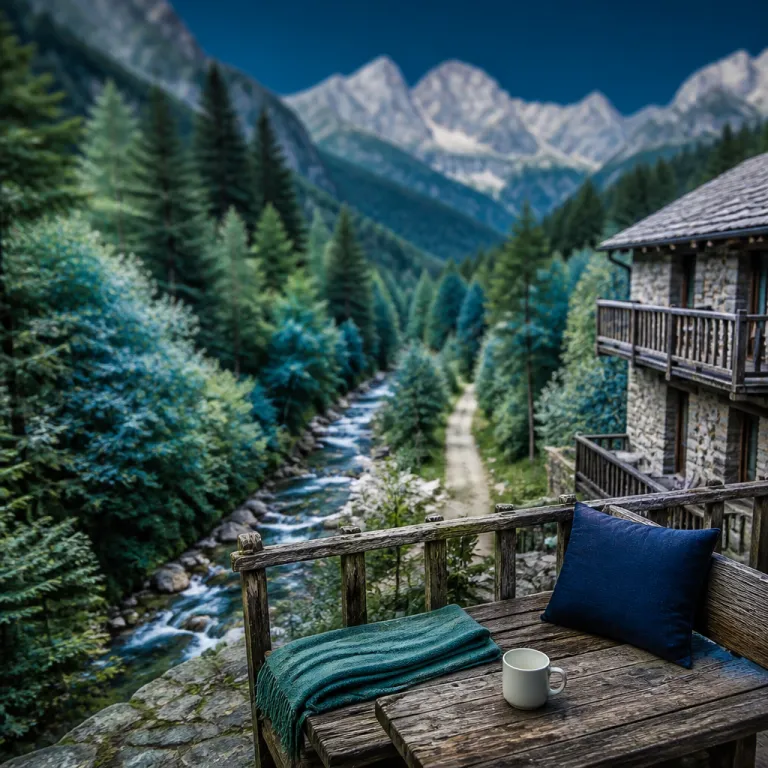
Forest bathing in the Albanian Alps as quiet luxury
Forest bathing in the Albanian Alps wellness scene is not about treatments. It is about walking slowly through beech and pine forests in northern Albania, letting the air, light and silence work on your nervous system. You trade a long spa menu for altitude, clean waters and the kind of stillness that wellness travelers rarely find in more developed mountain resorts.
The Albanian Alps stretch along the country’s northern border, a jagged area of limestone peaks, deep valleys and dense woodland often called the Accursed Mountains. Around villages such as Theth and Valbona in Valbona Valley National Park, forest bathing means lingering on soft trails above a river, listening to water move over stone while you breathe more deeply and feel your shoulders finally drop. The best time for this kind of retreat is early autumn, when the heat has eased, the leaves start to turn and the main trekking tours have thinned out.
Unlike a classic day spa, the wellness experience here is unstructured and personal. You might sit beside cold mountain waters for an hour, then continue your retreat with a slow climb to a meadow viewpoint rather than a summit push. For many solo travelers, this kind of nature-based reset in the Albanian Alps wellness landscape offers more lasting health benefits than a quick thermal bath or a rushed yoga retreat squeezed between meetings.
Guesthouses, small lodges and what to look for
Accommodation in the Albanian Alps is still shaped by guesthouses and small lodges rather than large spa resorts. That is good news if you are seeking forest bathing in the Albanian Alps wellness rather than a crowded pool deck with background music. The most rewarding places lean into simplicity, mountain views and quiet corners where you can read, stretch or just watch the light move across the canyon walls.
When you browse options on a luxury and premium hotel booking website in Albania, look beyond the word spa and study how the property describes its outdoor spaces. A terrace facing the forest, a small garden with fruit trees or direct access to a riverside path often offers more restorative power than a long list of indoor baths Albania might advertise. In Theth or Valbona, for example, many family-run guesthouses offer balconies overlooking beech slopes and easy access to riverside paths that work well for slow, meditative walks.
Ask about digital realities as clearly as you ask about water temperatures or room size. Some lodges in this area have deliberately limited Wi-Fi, turning patchy signal into a feature for wellness travelers who need a real retreat from constant notifications. If you know you will be tempted to work, choose a place where the forest, not your inbox, sets the rhythm of your day and where the only swimming you plan is in cold, clear rivers rather than in a heated indoor pool.
Gentle routes, viewpoints and slow walking rituals
Forest bathing in the Albanian Alps wellness mindset asks you to slow down on the trail. Instead of chasing the highest peak, you choose gentle routes that weave through beech forests, cross small streams and open suddenly onto meadows with wide sky. The focus is not distance but how your body feels as you move, how the air smells after rain and how the sound of water changes as you follow a river upstream.
Many valleys in this Albanian national park region offer paths that stay close to rivers, where you can pause for cold-water foot baths or short, bracing swimming sessions in natural pools. In Valbona Valley, for instance, low-level paths along the river sit around 900–1,000 meters above sea level, with clear water that stays cool even in midsummer. These are not hot springs or thermal waters like those at the famous Benjë area in southern Albania, yet the health benefits of cold water immersion and slow breathing can be just as profound. If you usually plan yoga retreats around a studio schedule, think of these trails as your open-air yoga retreat, with tree trunks as props and mossy stones as meditation seats.
Solo travelers often build their own rituals over a few days, repeating the same short walk at different times of day. Morning light through the forest canopy offers one kind of wellness experience, while late afternoon shadows bring another, softer mood. If you are combining this mountain retreat with a more classic city break, you might appreciate how a structured urban spa weekend such as the one described in this executive escape in Tirana contrasts with the unhurried, unscheduled rhythm of the Albanian Alps.
Digital disconnection, thermal culture and wider Albanian wellness
Signal in the northern Albanian Alps is famously unreliable, which is exactly why many wellness travelers choose this area. Forest bathing in the Albanian Alps wellness context means accepting that messages will wait, while the scent of pine needles in the sun will not. You are not paying for a curated spa soundtrack; you are listening to wind in the trees and distant cowbells instead.
This mountain reset sits within a broader Albanian wellness culture shaped by thermal springs and mineral waters. In the south, the Benjë thermal baths near Përmet, the canyon and the surrounding thermal springs form a different kind of retreat, where people move between pools, compare water temperatures and talk about health benefits passed down through families. Closer to the capital, Elbasan thermal waters and other Albania thermal areas offer more structured day spa experiences, with thermal baths, simple treatments and sometimes guided tours of nearby historical sites.
Many travelers now design longer retreats that combine these worlds, starting with a quiet yoga retreat or informal yoga retreats in the mountains before heading south to visit Benjë hot springs or the Përmet thermal waters. You might spend three days in the Albanian Alps, then continue to the Benjë area for a different style of wellness experience that still revolves around natural water rather than elaborate facilities. For curated ideas on how to weave these elements into a single trip, look at the exclusive hotel offers in Albania that highlight properties able to bridge mountain stillness and thermal comfort.
Planning your forest bathing retreat in Albania
Designing a forest bathing in the Albanian Alps wellness journey starts with timing. The best time for most travelers is from late summer into early autumn, when trails are dry, days are still long and the air has a cool edge that makes walking comfortable. Daytime temperatures in places like Theth and Valbona often sit between 18°C and 24°C in September, while nights can feel crisp enough to encourage early bedtimes. Spring can also be beautiful, but higher water levels in rivers and more unpredictable weather may limit some gentle routes.
Think about how you like to structure your day before you book. If you are used to yoga retreats with fixed schedules, you may want a guesthouse that offers optional morning stretching or simple yoga sessions on a terrace, leaving the rest of the day open for unhurried walks. Those who prefer complete freedom might choose a quieter lodge, using the forest itself as their only guide and treating each walk as a private retreat shaped by mood and energy.
Many visitors pair the Alps with a short visit to Albania’s thermal culture, whether that means a stop at Benjë springs, a soak in a smaller thermal bath complex or a detour to Elbasan thermal waters on the way back to Tirana. This combination lets you experience both the cool clarity of mountain rivers and the soothing warmth of thermal waters in a single trip. However you combine them, keep the focus on simple elements — air, light, water and silence — rather than on long lists of facilities, and you will understand why this corner of Albania quietly rivals more famous European retreats.
FAQ
What is forest bathing in the Albanian Alps in practice ?
Forest bathing in the Albanian Alps wellness context means slow, mindful walking through beech and pine forests, paying attention to breath, sound and light rather than distance or speed. You might pause beside rivers for cold-water foot baths, sit on a rock to listen to the wind or repeat the same short trail each day as a personal ritual. It is closer to meditation in motion than to a traditional hike or a structured spa treatment.
Is the Albanian Alps region suitable for first-time solo travelers ?
The Albanian Alps are welcoming to solo travelers who are comfortable with simple infrastructure and a degree of unpredictability. Guesthouses are often family run, with shared meals that make it easy to meet other visitors or join informal guided tours for popular routes. If you prefer more support, booking through a specialist platform focused on luxury and premium stays in Albania can help you find properties used to hosting independent wellness travelers.
How does this experience compare to Albania’s thermal baths ?
Forest bathing in the north is about cool air, altitude and silence, while Albania’s thermal baths such as Benjë thermal springs or Përmet thermal waters focus on warm mineral water and its perceived health benefits. In places like the Benjë canyon, visitors move between pools, noticing different water temperatures and textures, often as part of a social day out. Many travelers now combine both, using the Alps for mental reset and the thermal waters for physical relaxation.
Do I need special gear for a forest bathing retreat ?
You do not need technical equipment for gentle forest bathing routes in the Albanian Alps. Comfortable walking shoes with good grip, layered clothing for changing mountain weather and a light backpack for water and snacks are usually enough. If you plan to include cold-water swimming or extended foot baths in rivers, pack a small towel and sandals that can handle wet, rocky terrain.
When is the best time to visit for wellness-focused walking ?
The best time for wellness-focused walking in the Albanian Alps is usually late summer to early autumn, when trails are clear and the heat has eased. During this period, forests are lush, rivers are accessible for short baths and the main trekking crowds have thinned, which enhances the sense of retreat. Spring can also be rewarding, but higher waters and more changeable weather may require more flexibility in your plans.