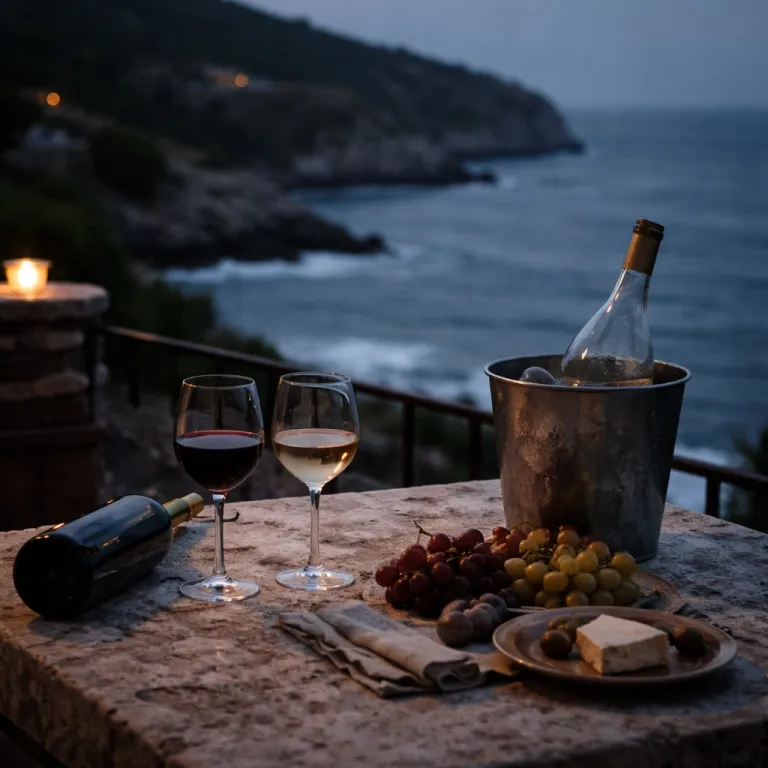
Albanian wine guide for luxury hotel guests in the countryside
Albania is finally appearing on serious wine lists, yet many luxury hotel guests still default to Italian labels without glancing at the Albanian wines page. In a country where vineyards sit between the Adriatic breeze and the eastern mountainous ridges, that is a missed opportunity for any couple planning a romantic stay. This Albanian wine guide is written for travelers who want their glass to reflect the landscape outside their suite and who are curious about how wine in Albania is evolving.
The heart of Albanian wine lies in a handful of indigenous grape varieties that matter on almost every thoughtful list. Kallmet, Shesh i Zi, Shesh i Bardhë and the coastal Vlosh (often written as Shesh Vlosh or Vlosh) shape the character of both red and white wines across the main wine regions. When a sommelier in Albania quietly nudges you toward international grapes instead, this countryside wine guide gives you the language to ask for the local bottles with confidence and to understand the grape varieties behind them.
Think of the country in three broad wine regions that align with how you travel. The central hilly belt around Berat and Elbasan, the mountainous region around Shkodra and Korçë, and the southern and eastern mountainous valleys near Përmet and Gjirokastër all host vineyards that feed hotel cellars. Each region offers different grapes, different notes in the glass and very different food-and-wine pairings on the plate, from freshwater fish to slow-cooked meat dishes.
Berat’s central hilly slopes are often described as one of the historic cradles of modern winemaking in Albania, although exact timelines vary between sources. Çobo Winery (often written as Cobo Winery in English) is frequently cited by local guides as a pioneer of more serious wine production here, focusing on indigenous grape varieties rather than chasing only international grapes. Their vineyards sit above the Osum valley, and many premium hotels in the region now pour their medium-bodied reds by the glass, typically in the mid-range price band compared with imported labels.
Further north, the Shkodra region leans into Kallmet, the indigenous grape often called the king of Albanian wines by local producers rather than by formal classifications. Nurellari Winery and other small estates in this region work with local farmers, stainless steel tanks and oak barrels to turn highlands fruit into structured red wines that finally stand up to grilled lamb. When your hotel sommelier mentions a Kallmet from the Shkodra vineyards, you are hearing the core story of wine in Albania in a single grape, usually in a style that remains medium bodied rather than heavy.
Across these regions, annual wine production in Albania is modest compared with neighboring countries; publicly available summaries from national statistics offices suggest figures in the tens of thousands of tons rather than hundreds of thousands, though exact numbers can change year to year. For luxury travelers, that scarcity is an advantage, because the best Albanian bottles rarely leave the country and many micro-cuvées never reach export markets at all. This Albanian wine guide is your map to those glasses, from sparkling wine aperitifs on the coast to serious reds in the highlands.
The four indigenous grapes that matter on a luxury hotel menu
When you sit down in a premium hotel restaurant in Albania, the wine list usually divides between international grapes and local grape varieties. To navigate it with ease, focus on four indigenous grape names that should appear on any serious Albanian wine page. Kallmet, Shesh i Zi, Shesh i Bardhë and Vlosh (often linked to the term Shesh Vlosh) are the backbone of this Albanian wine guide for countryside stays and a reliable starting point when you want the best Albanian bottles on the list.
Kallmet is your go-to red when the menu leans into grilled lamb, slow-cooked goat or aged beef. These red wines are typically medium-bodied, with dark berry notes, hints of black cherry and dried herbs, and enough structure to handle rich food without feeling heavy. In the mountainous region around Shkodra, Kallmet from small vineyards can show remarkable freshness, especially when nights in the highlands stay cool and winemaking emphasizes clean fruit rather than heavy oak.
Shesh i Zi, often shortened to Shesh on labels, is more versatile and appears across several wine regions, especially in the central hilly belt near Tirana and Durrës. Expect red wines that are softer than Kallmet, with red fruit notes, gentle tannins and occasional touches of spice that work with both roasted poultry and lighter meat dishes. When a hotel sommelier suggests Shesh i Zi as a food wine for both pasta and grilled vegetables, they are leaning into that flexibility and into the grape’s ability to bridge multiple courses.
On the white side, Shesh i Bardhë (often written as Shesh Bardhe in English) is the indigenous grape you should learn to pronounce before you land. These white wines can range from crisp and citrus-driven to rounder styles with stone fruit notes and a subtle almond finish, depending on the region and winemaking choices. In coastal hotels and in properties overlooking the central hilly vineyards, Shesh i Bardhë is a natural partner for Adriatic seafood and fresh cheeses, and it often appears as the house white by the glass at a gentle price point.
Vlosh, sometimes referenced alongside the term Shesh Vlosh in older texts, is more niche but worth seeking out in southern and eastern mountainous regions. It can produce both red and rosé styles, often with wild berry notes, a slightly rustic edge and occasional savory tones that work beautifully with hearty countryside food. When you see a hotel restaurant offering Vlosh by the glass, it usually signals a team that takes Albanian wine seriously and is willing to highlight lesser-known grape varieties.
Alongside these four, you may encounter names like Puls or Pules, Debinë and even rarer local grapes such as Ceruja in some specialist contexts, which add further nuance to the indigenous grape landscape. While they appear less often on luxury hotel lists, they remind you that Albanian wine culture is deeper than a handful of flagship varieties and that wine regions are still being mapped in detail. This guide encourages you to ask your sommelier which indigenous grape varieties are pouring that night, singular or plural, and to build your meal around their suggestions.
Estate producers to ask for in countryside luxury hotels
In many luxury hotels across Albania, the default house pour still comes from large-scale producers or imported wines. That is comfortable for guests but rarely reflects the best Albanian wines now emerging from smaller vineyards and family estates. A smart Albanian wine guide for travelers therefore focuses on names you can ask for, not just grapes or regions, and on understanding how those estates approach winemaking.
Start in Berat’s central hilly region, where Çobo Winery helped define modern winemaking with a focus on indigenous grape varieties, according to local tourism boards and regional wine guides. Their Kallmet-based reds and Shesh i Bardhë whites show how carefully handled grapes from steep vineyards can translate into elegant, medium-bodied wines with clear fruit and balanced acidity. When you stay in a countryside property near Berat, ask whether the list includes Çobo or Cobo wines, and request a quick tasting flight or a couple of half-bottles before committing to a full bottle.
In the Shkodra region, Nurellari Winery has become a widely referenced name for Kallmet, working closely with local farmers and modern cellar tools. Their vineyards sit in a mountainous region where cooler nights help preserve acidity, giving their red wines lift and precise notes of dark fruit, violet and spice. If your hotel is sourcing from Shkodra, a Nurellari Kallmet is often the most reliable expression of Albanian wine on the list, and it typically appears in the mid to upper price tier among domestic reds.
Shkodra is also home to newer estate projects, including a small vineyard run by winemaker Fatjon Mani, which local reports describe as covering roughly a few hectares and producing only several thousand liters of wine each year; exact figures can vary by vintage. That scale is tiny by international standards, yet it illustrates how Albanian wines offer intimacy and a direct link between grape and glass. When a sommelier mentions a micro estate from the highlands, lean in, because those wines often carry the most distinctive notes and limited-production cuvées.
For couples planning a wider itinerary, it is worth coordinating hotel choices with access to serious wine programs rather than assuming every luxury property treats Albanian wine equally. Properties highlighted in guides to family-friendly stays, such as those featured in the article on family friendly properties that do not punish the parents, increasingly understand that parents want thoughtful wine lists alongside kids’ menus. Even if you are traveling without children, these hotels can be strong bets for a well-curated selection of Albanian wines and a sommelier who can explain the regions.
When you move south toward the Ionian coast or into the eastern mountainous valleys, ask your concierge which local estates supply their cellar and whether they prioritize indigenous grape varieties over international grapes. Some hotels now organize private transfers to nearby vineyards, turning a simple tasting into a half-day countryside excursion with food pairings and cellar tours. This Albanian wine guide recommends booking those experiences early, especially in peak season, because the best estates limit visitor numbers to protect both vineyards and guest experience.
How luxury hotel wine programs in Albania really perform
Not all luxury hotel wine programs in Albania are created equal, and the gap between marketing and reality can be wide. Some properties still treat Albanian wine as an afterthought, offering one tired red and one anonymous white alongside a long list of Italian labels. Others quietly build cellars that showcase indigenous grape varieties from multiple regions, with sommeliers who can talk you through every vineyard on the list and explain the winemaking choices behind each style.
In the countryside, look for hotels that list specific grape names such as Kallmet, Shesh i Zi, Shesh i Bardhë and Vlosh, rather than generic categories like “local red wines”. When a menu details the region, producer and even the vineyard altitude in the highlands or central hilly slopes, you are usually in safe hands. These programs often include at least one sparkling wine from Albania, which makes an elegant aperitif on a terrace overlooking olive groves and signals that the team is following current wine production trends.
Coastal properties can be particularly revealing, because many assume guests only want international grapes with their seafood. A serious program will instead offer Shesh i Bardhë and other indigenous white grape varieties from coastal or eastern mountainous vineyards, highlighting saline notes and bright acidity. One example is the refined approach at the Green Coast resort, where the hotel featured in this elegant MGallery escape on the Ionian shore integrates Albanian wines alongside French and Italian classics, often with a dedicated section for regional bottles.
When evaluating a wine list, pay attention to how many Albanian wines appear by the glass, not just by the bottle. A thoughtful hotel will pour at least one red, one white and ideally a rosé or sparkling wine from local producers, allowing guests to explore without over-committing or overspending. If the only local option is a single house red, that is a sign the program is coasting rather than curating and that the sommelier may not be actively seeking out the best Albanian producers.
Price structure matters as well, especially as cheap flights bring more visitors while countryside room rates climb, a dynamic explored in the analysis of cheap flights and expensive nights. The best Albanian wine programs price local bottles fairly, often below comparable Italian wines, encouraging guests to experiment and to order a second bottle rather than switching to imports. When markups on domestic wines exceed those on imports, you are looking at a missed opportunity for both education and enjoyment and a sign that the hotel may not fully trust its own regions.
Finally, ask how the hotel sources its wines and whether the team visits vineyards in person or relies solely on distributors. Programs built on direct relationships with estates in regions like Berat, Shkodra and Përmet tend to show more depth, more accurate tasting notes and better food-and-wine pairings. This Albanian wine guide suggests rewarding those properties with your booking, because they are actively supporting the future of wine in Albania rather than just stocking a cellar.
Pairing strategy for an Albanian countryside tasting menu
A well-planned tasting menu in a countryside hotel can be the most memorable part of a romantic trip to Albania. To make the most of it, you need a pairing strategy that respects both the food and the indigenous grape varieties on the list. This Albanian wine guide walks you through a sequence that works across most regional menus and that helps you understand how different wines offer different roles at the table.
Begin with a local sparkling wine or a very crisp Shesh i Bardhë from a coastal or central hilly region. These wines offer bright acidity and citrus notes that cut through meze plates of marinated vegetables, soft cheeses and lightly fried starters. When the sommelier suggests an international-grape Prosecco instead, ask whether a domestic sparkling option is available, because many vineyards now experiment with traditional-method bubbles and tank-fermented styles.
For seafood courses, especially grilled fish or octopus, stay with white wines but shift to a slightly fuller expression of Shesh i Bardhë or another indigenous grape from higher-altitude vineyards. In the highlands and eastern mountainous zones, cooler nights help preserve freshness while allowing more complex stone fruit notes and floral tones to develop. These whites remain medium-bodied, which means they can handle richer sauces and olive-oil-drenched dishes without losing balance or overwhelming delicate flavors.
As the menu moves toward meat, transition to Shesh i Zi, which offers softer tannins and red fruit notes that suit roasted poultry, veal or pork. In regions like Durrës and Elbasan, Shesh-based red wines can show a gentle herbal edge that works beautifully with wild herbs and grilled vegetables. This is where the wines offer a bridge between lighter starters and the more powerful Kallmet that usually follows, and where you can ask for a half-glass pour if you want to pace yourself.
For the main meat course, especially lamb or goat slow-cooked in a clay pot, Kallmet from the Shkodra region or other mountainous vineyards is the natural choice. These red wines are typically medium-bodied but structured, with enough grip to stand up to rich, slow-rendered fat and intense savory notes. Ask for a bottle from a named estate such as Nurellari or Çobo, because estate-level wine production usually brings better balance and more precise winemaking, and do not hesitate to ask the sommelier which recent vintages are drinking best.
To finish, consider returning to white or even a light red like Vlosh with cheese plates and lighter desserts, especially if figs and nuts appear. Some hotels may offer a late-harvest or sweet style from indigenous grape varieties, though these remain rare in Albania and are often produced in tiny quantities. Whatever the sequence, the key is to let the region, the grapes and the food speak together, rather than defaulting to a single international style throughout the meal or treating wine as an afterthought.
The raki question and where Albanian wine still falls short
No Albanian wine guide for countryside hotels is complete without addressing raki, the grape or plum spirit that appears at almost every table. In many rural regions, the host will offer a small glass of homemade raki before you even see the wine list. Knowing when to accept, when to switch and how it fits with food can transform your evening and keep the focus on the wines you came to explore.
Grape raki makes the most sense as an aperitif or a post-dessert digestif, not as a partner for the main meal. Its high alcohol and intense notes can overwhelm the more delicate aromas of both white and red wines, especially medium-bodied styles from indigenous grape varieties. Plum raki, with its softer fruit profile, can sometimes work with simple desserts or nuts, but it still sits outside the core food-and-wine pairing logic of this guide and is best treated as a separate experience.
Homemade raki is often better than bottled versions in terms of character, but quality control varies widely between regions and even between neighboring households. In the highlands and eastern mountainous villages, families take pride in their distillation skills, yet alcohol levels can be unpredictable and labeling is rarely precise. When a hotel offers both house-made and commercial raki, ask the staff which they personally drink after service, because that answer usually points to the safer choice and to the style that best reflects local traditions.
As for where Albanian wine still falls short, the gaps are real but not reasons to avoid it. Consistency remains an issue, especially among smaller producers who are still mastering modern winemaking tools such as temperature-controlled fermentation and careful oak use. Vintage variation can be pronounced in some regions, which means the same label may taste quite different from one year to the next, and hotel lists do not always update tasting notes to reflect those changes.
Another limitation is the relatively small scale of vineyards and overall wine production, which restricts experimentation with styles like high-end sparkling wine or complex blends of multiple grape varieties. Many estates still focus on straightforward red and white expressions of Kallmet, Shesh and other indigenous grape names, leaving less room for avant-garde cuvées or long-aged reserve wines. For luxury travelers used to vast international portfolios, the narrower range of styles in Albania can feel like a constraint, even though the best Albanian bottles can be very rewarding.
Yet that same constraint is also the charm, because it forces you to engage with place rather than chase global trends. When you drink Albanian wine in a countryside hotel, you are tasting a region still defining itself, from the central hilly slopes of Berat to the mountainous region around Shkodra. This guide encourages you to embrace the imperfections, ask questions and treat each glass as part of a living story rather than a finished chapter, especially when you are tasting wines that may never be bottled in the same way again.
Planning a countryside stay around Albanian wine experiences
For couples who care about both the room and the glass, planning a countryside stay in Albania around wine experiences is entirely realistic. The key is to align your chosen regions, vineyards and hotels so that travel time stays reasonable and each day offers a clear focus. This Albanian wine guide suggests building your itinerary around two or three core wine regions rather than trying to cross the entire country in a single trip.
A classic route starts in the central hilly landscapes around Berat, where you can stay in a premium property that partners with Çobo Winery and other local estates. From there, day trips to vineyards allow you to see grape varieties like Kallmet, Shesh i Zi and Shesh i Bardhë on the vine, not just in the glass. Many wineries collaborate with local farmers and chefs to offer food-and-wine pairings that highlight regional dishes alongside their best Albanian bottles, often in intimate tasting rooms overlooking the vineyards.
From Berat, you can head north toward Shkodra and the surrounding highlands, where vineyards sit against a backdrop of lakes and mountains. Here, visits to estates such as Nurellari or smaller family-run cellars reveal how the mountainous region shapes both red and white wines through cooler nights and rocky soils. Hotels in this region often arrange private drivers, allowing you to taste freely while someone else handles the winding roads and the logistics between wine regions.
Alternatively, you might swing south toward the Ionian coast, combining rural vineyards with a few nights in a design-forward seaside hotel. Properties highlighted in guides to elegant coastal escapes, such as the MGallery address on the Ionian shore, show how wine from Albania is slowly entering the language of international luxury brands. In these settings, Albanian wines offer a counterpoint to the more familiar Mediterranean labels, especially when paired with seafood and sunset views and when the list clearly marks indigenous grape varieties.
Wherever you go, ask hotels in advance about their relationships with local vineyards and whether they can arrange private tastings or vineyard picnics. Some properties now offer curated wine-guide-style experiences, where a sommelier accompanies you to multiple estates across different regions in a single day. These programs often include detailed explanations of winemaking techniques, from stainless steel fermentation to oak aging and amphora experiments, giving you a deeper understanding of how grapes become wine.
Finally, remember that Albania’s wine regions remain relatively compact, which makes it possible to combine countryside stays with cultural visits to Ottoman towns, castles and lakes. A morning in the vineyards, an afternoon exploring a historic center and an evening tasting Albanian wine with a multi-course menu is entirely achievable without rushing. For couples seeking both romance and substance, that rhythm is where the country quietly excels and where wine Albania experiences become the thread that ties the trip together.
Key figures and trends in Albanian wine
- Albania’s annual wine production is often estimated in public reports at around a few tens of thousands of tons; one frequently cited figure is approximately 23,470 tons, though methodologies and years of reference differ and should be checked against the latest national statistics. This relatively small scale means that many of the best Albanian wines remain primarily on domestic lists rather than in export markets. For travelers, tasting Albanian wine in situ becomes less a souvenir and more a once-only experience tied to a specific region and vintage.
- Current research and regional wine tourism studies identify at least six recognized indigenous grape varieties in Albania, including Shesh i Bardhë, Shesh i Zi, Kallmet, Puls or Pules, Vlosh and Debinë, with other names such as Ceruja occasionally mentioned in specialist sources. This diversity underpins the entire Albanian wine guide approach, because it shows that local grapes, not just international grapes, define the country’s identity. For hotel wine programs, highlighting these grape varieties is the fastest route to a distinctive list that feels rooted in place.
- Wine tourism in Albania has grown steadily in recent years, with more visitors incorporating vineyard visits into itineraries that once focused only on beaches and cities, according to multiple travel and wine platforms. As countryside hotels upgrade their cellars and build partnerships with estates, guests gain easier access to structured tastings and food-and-wine pairings. This shift directly benefits couples seeking immersive experiences rather than simple room nights and encourages hotels to invest in better-trained staff.
- Producers increasingly combine traditional winemaking techniques with modern tools such as stainless steel tanks and controlled fermentation, a change that has significantly improved consistency and cleanliness in both red and white wines. This evolution is particularly visible in regions like Berat and Shkodra, where estates such as Çobo and Nurellari are often cited as examples of this hybrid approach. For discerning travelers, that technical progress translates into more reliable quality across vintages and more confidence when ordering unfamiliar Albanian wines.
FAQ about Albanian wine for luxury hotel guests
What are the main grape varieties in Albania and which should I order first?
The main grape varieties in Albania include Shesh i Bardhë, Shesh i Zi, Kallmet, Puls or Pules, Vlosh and Debinë, with the first three appearing most often on serious hotel lists. For a first encounter, start with a Shesh i Bardhë white alongside seafood, then move to Shesh i Zi and Kallmet reds with grilled meats. This sequence lets you experience both the lighter and more structured sides of Albanian wine and compare how different grapes respond to food.
Which regions are best for combining luxury hotels with vineyard visits?
Berat and its central hilly surroundings, the Shkodra region in the north and the Përmet valley in the south are currently the strongest areas for pairing premium countryside hotels with nearby vineyards. These regions host estates such as Çobo and Nurellari, which work closely with local farmers and modern winemaking tools while still emphasizing indigenous grape varieties. Staying in these areas allows you to move easily between your suite, the vineyards and traditional food experiences without spending all day in transit.
Are Albanian wines exported or should I focus on drinking them in Albania?
Albanian wines are exported only in limited quantities, and many of the most interesting bottles from small vineyards never leave the country. That reality makes tasting Albanian wine in Albania itself particularly valuable, especially in hotels that curate lists from multiple regions and highlight specific grape varieties. While you may find a few labels abroad, the depth and variety available on domestic lists is significantly greater, especially for niche reds and experimental sparkling wine.
What foods pair best with Albanian wines in countryside hotels?
Grilled meats, slow-cooked lamb or goat, freshwater fish, Adriatic seafood and traditional vegetable dishes all pair well with Albanian wines when matched thoughtfully. Kallmet and Shesh i Zi reds suit richer meat dishes, while Shesh i Bardhë and other indigenous white grape varieties work beautifully with fish, salads and lighter starters. Many countryside hotels now design tasting menus specifically around these food-and-wine combinations, and a good sommelier will happily suggest a glass or two rather than pushing you toward a full bottle.
Can tourists visit Albanian wineries easily from luxury countryside hotels?
Yes, many wineries in regions such as Berat, Shkodra, Korçë and Përmet welcome visitors and offer tastings, often by prior reservation. Luxury countryside hotels increasingly arrange transfers, private tours and curated wine-guide-style experiences that include cellar visits and food pairings. When booking your stay, ask the concierge which vineyards they partner with, how far the estates are from the hotel and whether they can secure appointments during your dates so you can experience Albanian wines at their source.